
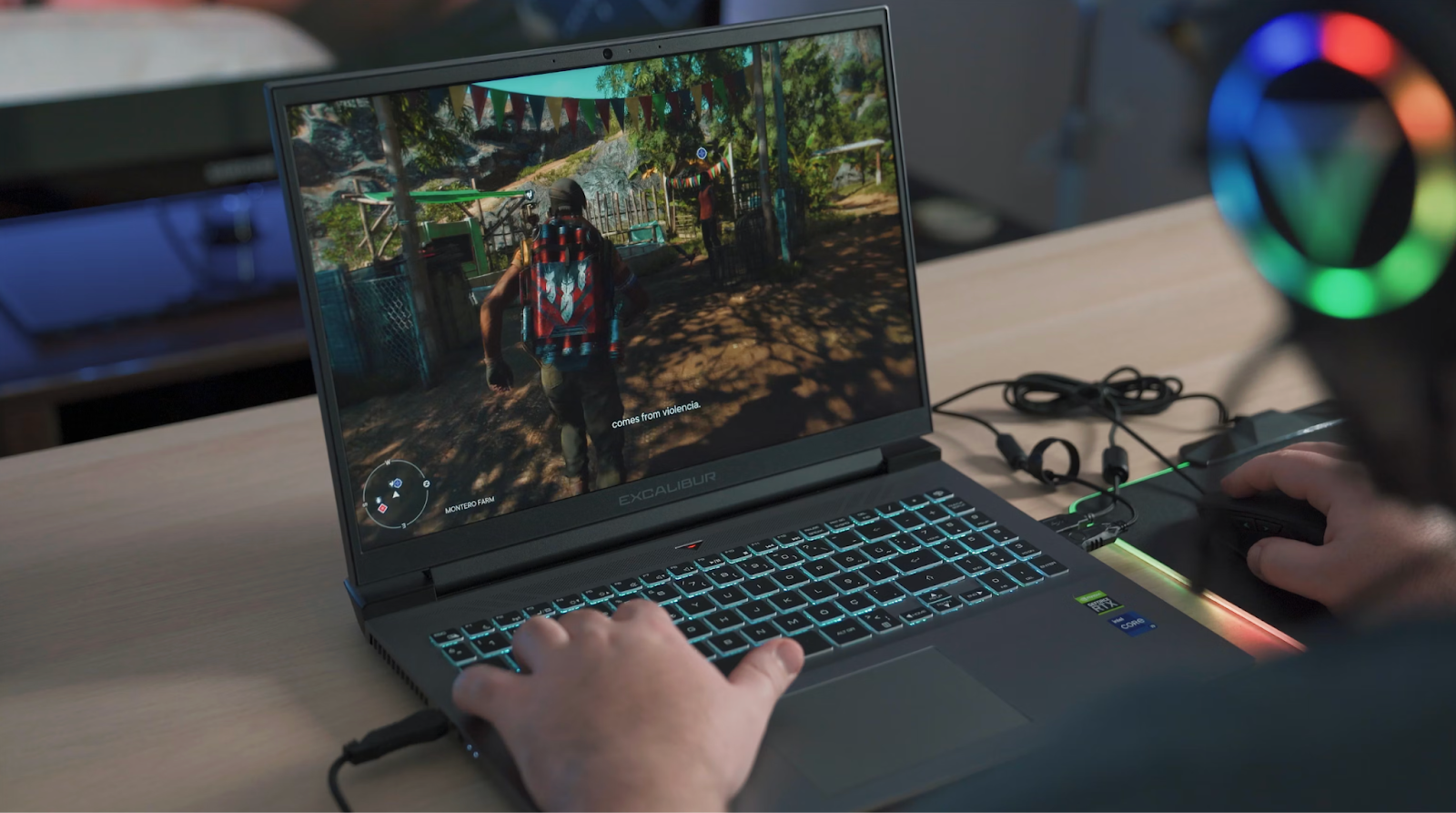
The online gaming industry has experienced a dramatic transformation over the past two decades, largely driven by rapid advancements in computer game technology. Slot providers, once focused on simple mechanics and repetitive gameplay loops, have evolved into sophisticated entertainment developers capable of delivering immersive digital experiences. Today’s online slots no longer rely solely on chance-based mechanics but incorporate features inspired by modern computer games, including dynamic storytelling, skill-based elements, and interactive environments.
The demand for engaging gameplay has reshaped how slot developers approach design, graphics, and player retention. Computer game technology has influenced everything from animation quality to user interface design, encouraging slot providers to create content that resonates with a generation accustomed to high production value entertainment.
One of the earliest influences from computer gaming was the transition from static slot machines to visually rich digital environments. As processing power improved, developers began implementing advanced rendering engines capable of supporting cinematic animations and smooth gameplay transitions. These technological innovations helped transform slot games into fully interactive experiences rather than simple digital replicas of mechanical machines.
Key technological influences from computer games that reshaped slot development include:
- High-definition graphics engines enabling detailed environments
- Physics-based animations improving symbol interactions
- Real-time effects enhancing immersion
- Advanced sound design increasing emotional engagement
- Interactive UI elements improving player navigation
- Cross-platform compatibility allowing seamless gameplay on multiple devices
Early Digitalization of Slot Games
The first generation of online slots focused primarily on recreating the physical slot machine experience. Developers aimed to replicate spinning reels, paylines, and traditional symbols in a digital format. While this transition was important for accessibility, it did not yet capture the depth of interaction offered by computer games.
The Role of Graphics Processing Technology
Computer game engines introduced high-performance rendering capabilities that significantly enhanced the visual appeal of slot games. Improved lighting effects, texture resolution, and animation fluidity helped create visually engaging environments that encouraged longer gameplay sessions.
Sound Engineering and Immersion
Audio technology borrowed from computer games allowed slot providers to implement adaptive soundtracks and responsive sound effects. These features increased emotional involvement and helped players feel more connected to the gaming experience.
The Rise of Interactive Gameplay Mechanics
As competition intensified, slot providers began experimenting with new mechanics that borrowed heavily from computer game design principles. Interactive bonus rounds and narrative-driven gameplay started to replace static spinning mechanics.
Storytelling as a Player Engagement Tool
Computer games have long demonstrated the power of storytelling in maintaining user attention. Slot developers adopted similar techniques by creating themed worlds where players progress through different stages or unlock chapters of a story through gameplay achievements.
Skill-Inspired Features and Decision-Making
While traditional slots rely on randomness, modern titles increasingly incorporate interactive features that allow players to influence bonus outcomes. This creates a sense of control and participation similar to experiences found in computer games.
Key Stages of Technological Evolution
- Introduction of 3D graphics and enhanced animations
- Integration of interactive bonus rounds inspired by video games
- Development of mobile-optimized slot engines
- Implementation of cloud-based gaming infrastructure
These stages demonstrate how computer game technology has progressively shaped the direction of slot development.
Mobile Gaming and Cross-Platform Innovation

The rise of smartphones significantly accelerated innovation in the slot industry. Computer games had already adapted to mobile platforms, creating optimized interfaces and touch-based mechanics. Slot providers followed similar strategies to ensure consistent gameplay across devices.
Responsive Game Architecture
Modern slot games are designed with adaptive frameworks that allow seamless performance across desktop, tablet, and mobile environments. This flexibility ensures that players receive consistent experiences regardless of device.
Influence of Casual Gaming Trends
Casual computer games introduced simplified mechanics that appeal to broader audiences. Slot providers adopted similar accessibility strategies, creating games that are easy to understand while maintaining engaging bonus systems.
Gamification Systems Inspired by Computer Games
Gamification has become a major focus for slot developers seeking to increase player engagement. Computer games pioneered reward loops that motivate players to continue progressing through levels and achievements.
Common gamification features now appearing in slot games include:
- Experience-based progression systems
- Unlockable bonus levels
- Achievement badges tied to milestones
- Loyalty rewards integrated into gameplay
These systems transform slot gaming into a continuous entertainment journey rather than isolated play sessions.
Comparison of Computer Game Technology Influence
| Technology | Application in Computer Games | Impact on Slot Providers |
| 3D graphics engines | Realistic environments | Cinematic slot themes |
| Physics engines | Object interaction realism | Dynamic reel animations |
| AI algorithms | Adaptive gameplay difficulty | Personalized bonus triggers |
| Cloud infrastructure | Online multiplayer environments | Scalable slot platforms |
| Touch interfaces | Mobile gaming controls | Optimized mobile slot navigation |
Data Analytics and Player Behavior Insights
Computer game developers rely heavily on behavioral data to improve gameplay experiences. Slot providers have adopted similar analytical models to understand player preferences and optimize game performance.
Personalization Through Behavioral Tracking
Player activity data allows developers to refine bonus frequency and feature design. Computer games demonstrated the value of adapting content based on user interaction patterns, a concept increasingly used in slot development.
Adaptive Game Balancing
Balancing challenge and reward is a key concept derived from computer game design. Slot providers apply similar principles by carefully adjusting volatility and bonus pacing to maintain player interest.
Future Directions for Slot Technology
Emerging technologies such as virtual reality, augmented reality, and artificial intelligence are likely to further influence slot development. Computer games continue to push technological boundaries, offering valuable insights into future possibilities for iGaming entertainment.
Virtual Environments and Immersive Interaction
VR technology has the potential to transform slot gameplay into fully immersive environments where players can interact with game elements in real time.
AI-Driven Personalization
Artificial intelligence may enable slot providers to deliver highly customized gaming experiences tailored to individual player preferences.