
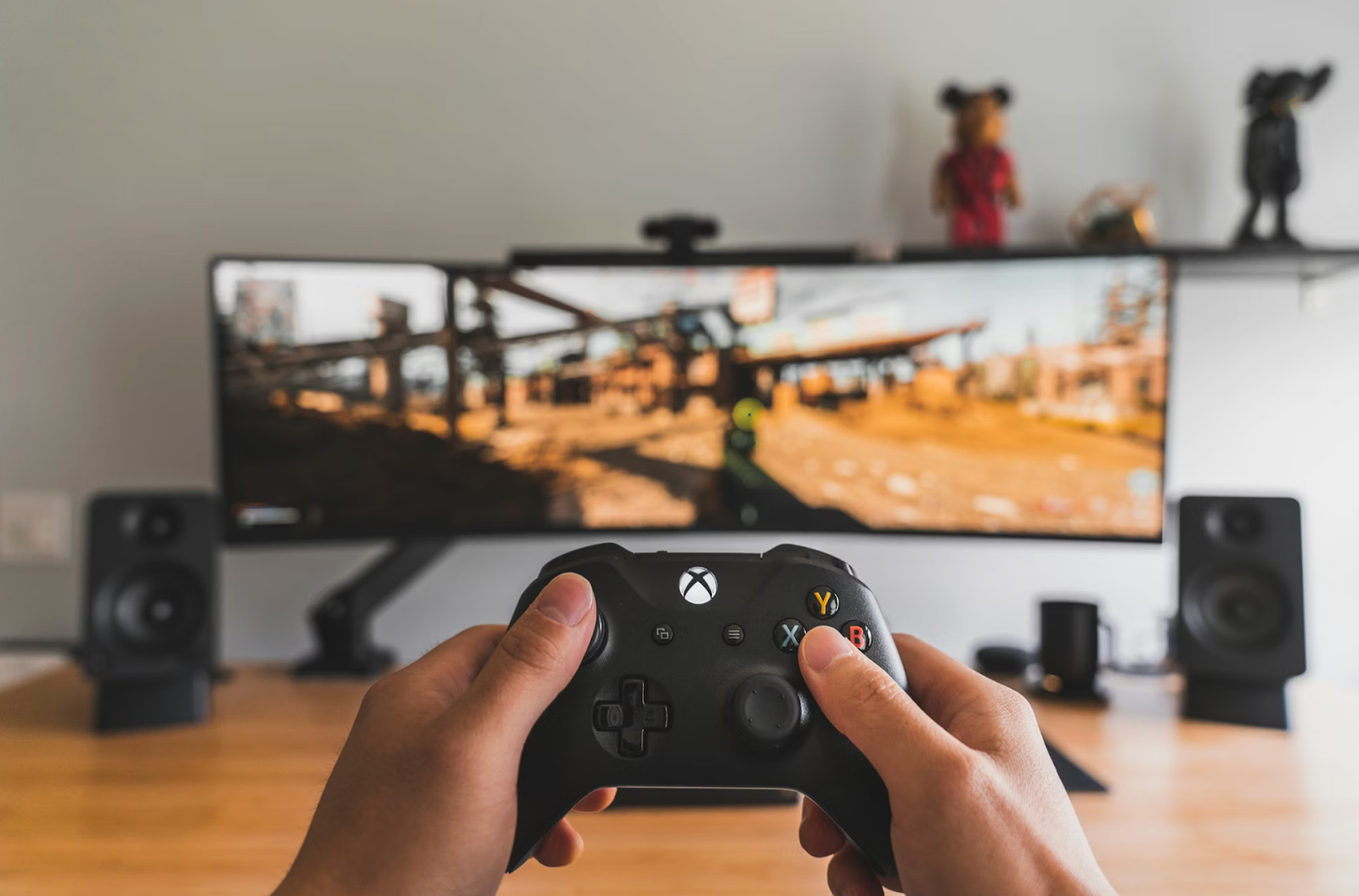
Over the past decade, video game mechanics such as progression systems, achievements, and interactive bonus features have increasingly influenced the iGaming industry, especially through innovations introduced by the best slot provider.
Computer games have spent decades perfecting reward systems, player retention strategies, and emotional engagement loops. Slot providers can benefit significantly from applying similar design principles in order to create memorable gaming experiences that feel dynamic rather than repetitive. The shift from purely luck-based gameplay to entertainment-driven interaction is shaping the next generation of online slots.
One of the key reasons computer games are so successful is their ability to keep players invested over time. Unlike traditional slots, modern video games provide players with a sense of progression, accomplishment, and personalization. These elements can be successfully translated into slot mechanics to enhance user satisfaction.
Key gamification elements borrowed from computer games include:
- Achievement systems that reward consistent play
- Experience points and progression levels
- Unlockable content and bonus features
- Interactive storytelling elements
- Customizable avatars or environments
- Seasonal events and limited-time challenges
The Evolution of Player Expectations in Digital Entertainment
Players who grew up with console and PC games expect interactive depth even when playing online casino titles. Static gameplay is no longer enough to hold attention for extended periods. Instead, users look for experiences that offer a sense of discovery and reward beyond monetary wins.
Why Engagement Matters More Than Ever
Engagement metrics such as session duration and return frequency are now central to the success of slot providers. Computer games excel at encouraging players to return regularly through carefully designed reward loops. Daily rewards, achievement tracking, and unlockable features encourage consistent interaction without overwhelming users.
Emotional Investment Through Game Design
Computer games create emotional investment through narrative development, visual progression, and increasing difficulty levels. Slot providers can implement similar systems by designing themed slot worlds where players gradually unlock features, bonus levels, or storyline elements. This provides players with additional motivation to continue playing.
Progression Systems as a Core Retention Strategy
One of the most valuable lessons from the computer games industry is the importance of progression mechanics. When players feel their time investment leads to advancement, they are more likely to continue engaging with the product.
Level-Based Rewards in Slot Mechanics
Leveling systems can transform slot gameplay from a repetitive activity into a journey. Players may unlock new bonus rounds, improved multipliers, or exclusive features as they advance through different levels. This structure adds depth without complicating gameplay.
Personalization as a Driver of Player Loyalty
Modern players appreciate the ability to personalize their gaming experience. Computer games often allow users to customize characters, environments, or playstyles. Slot providers can apply similar principles by offering adjustable themes, collectible symbols, or personalized bonus paths.
Interactive Features That Increase Player Retention
Interactivity plays a significant role in maintaining player interest. Video games have long used skill-based mini-games, branching narratives, and real-time decision-making to create memorable experiences. Slot developers can incorporate interactive bonus rounds that allow players to influence outcomes, increasing emotional involvement.
Mid-session engagement can be significantly enhanced by integrating features such as:
- Mini-games that break traditional spin cycles
- Narrative-based bonus rounds with multiple outcomes
- Progressive reward tracks tied to player activity
- Interactive maps or missions that unlock new gameplay modes
These mechanics help players feel more connected to the gaming environment, increasing perceived entertainment value.
Data-Driven Design in Computer Games and Slots
Computer game developers rely heavily on data to refine player experiences. Behavioral analytics allow studios to understand which mechanics increase engagement and which features lead to drop-off. Slot providers can apply similar approaches to optimize bonus frequency, reward pacing, and feature visibility.
Balancing Challenge and Reward
One of the biggest strengths of computer game design is the balance between difficulty and satisfaction. When rewards feel meaningful but not overly predictable, players remain interested. Slot providers can adapt this principle by carefully designing volatility levels and bonus triggers that maintain excitement without creating frustration.
Comparison of Gamification Features
| Feature | Computer Games | Slot Games Application |
| Progression systems | Character leveling and skill trees | Tiered loyalty bonuses and unlockable features |
| Achievements | Badges and trophies | Mission-based slot rewards |
| Storytelling | Narrative-driven gameplay | Themed slot adventures |
| Customization | Character skins and upgrades | Personalized slot themes |
| Events | Seasonal challenges | Limited-time slot tournaments |
Social Elements and Community Influence

Many computer games thrive because of strong community ecosystems. Multiplayer environments, leaderboards, and shared achievements encourage friendly competition and social interaction. Slot providers increasingly introduce tournaments, rankings, and shared jackpots to replicate this experience.
Competitive Mechanics in Modern Slots
Leaderboards allow players to compare performance with others, increasing motivation to participate in events. Computer games have demonstrated that competition encourages longer sessions and increased engagement.
Cooperative Experiences and Shared Goals
Some game developers experiment with cooperative achievements where players contribute to shared objectives. Slot providers can adapt this concept through pooled jackpots or community missions that unlock global bonuses.
Future Opportunities for Slot Providers
Gamification continues to evolve as technology advances. Virtual reality, augmented environments, and AI-driven personalization may further transform how slot games are designed. Computer games remain a valuable source of inspiration due to their ability to maintain player interest across long periods of time.
Slot providers who adopt interactive progression, storytelling elements, and personalized rewards are more likely to attract modern audiences. By understanding how computer games maintain engagement, developers can create slot experiences that feel fresh, dynamic, and entertaining.